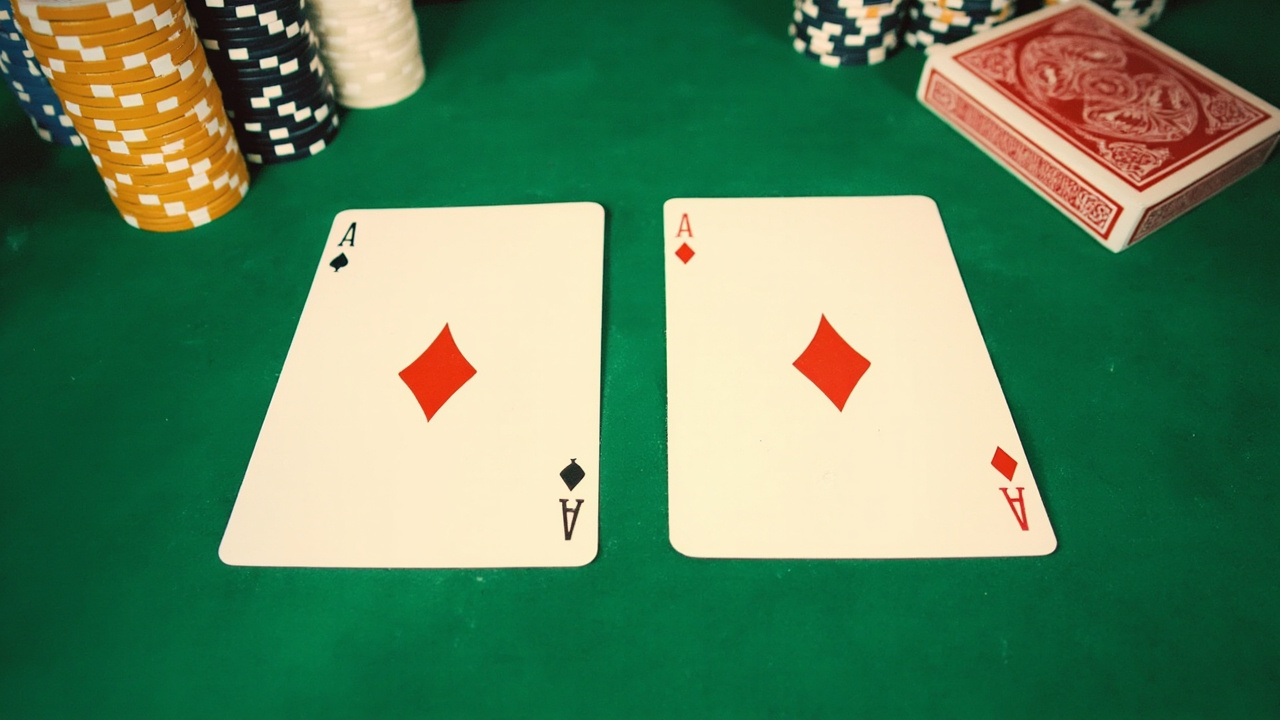
If you have ever watched two cards hit the table at an Adelaide casino and felt the urge to call out a match before the dealer finishes the spread, the blackjack perfect pairs side bet was built for your instinct. This little wager sits beside your main blackjack box and pays out when your opening two cards form a pair, with the juiciest prizes reserved for identical rank and suit. It is fast, it is loud, and it changes the rhythm of an otherwise quiet hand. The interesting question, the one that actually shapes how a player should treat it, is whether the side bet rewards the same disciplined mindset that makes regular blackjack profitable, or whether it quietly funnels extra house edge into the session.
What Perfect Pairs Actually Rewards

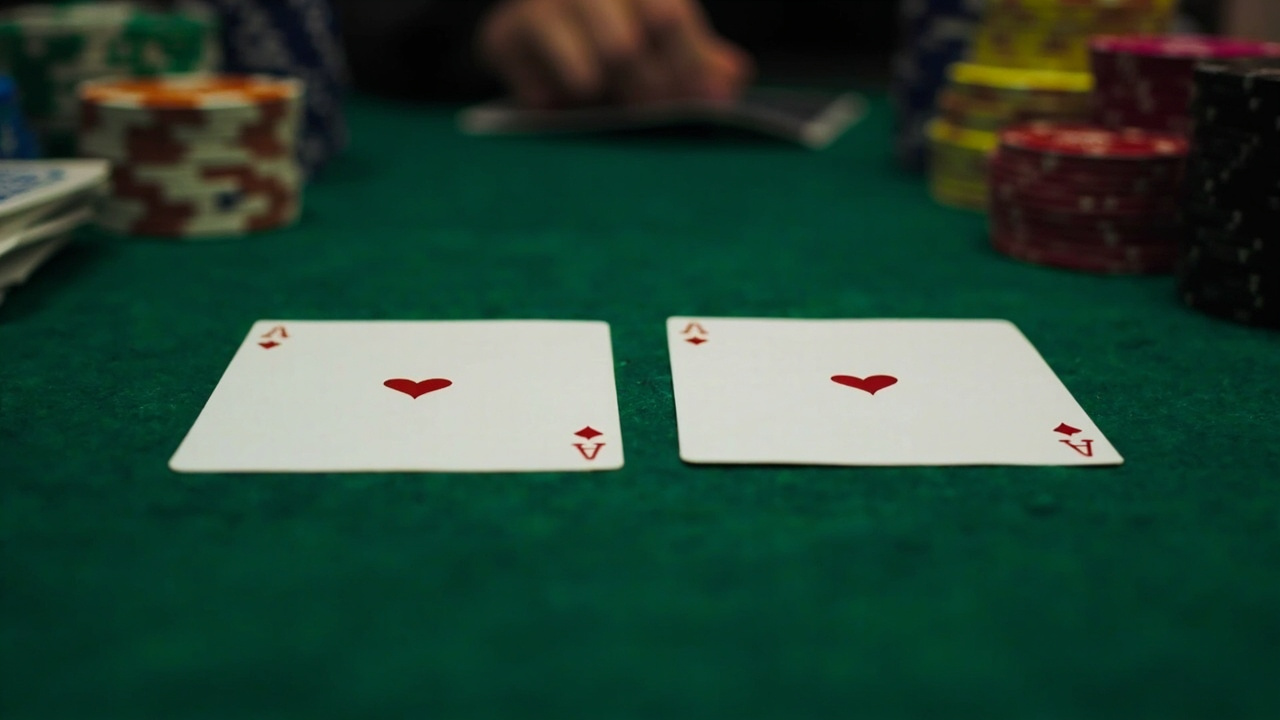
Most Australian blackjack tables, both in the rooms around North Terrace and the live dealer studios offshore players tap into from their phones, deal this side bet in three tiers. A mixed pair pays the smallest return, usually around 5:1, which is when the two cards share rank but differ in suit or colour. A coloured pair lands around 12:1 when both cards match rank and colour but still belong to different suits, think a jack of hearts alongside a jack of diamonds. The top prize, often 25:1, fires when rank, colour and suit all align, the kind of moment that gets the table talking.
That payout ladder sounds generous, and honestly it can feel generous when a perfect match lands in the first ten hands of an arvo session. The catch sits in the maths. Perfect pairs generally runs with a house edge somewhere between four and six percent depending on the table rules and how many decks are in the shoe, which is meaningfully higher than the main blackjack wager for anyone playing sensible basic strategy. So the bet does not replace discipline. It layers on top of it, and that distinction matters before you start sizing it.
How the Side Bet Fits Inside a Real Game Lobby
Game catalog and lobby organisation matter here because Perfect Pairs is not a standalone product. It lives inside the blackjack lobby, tucked next to the standard variants, and the way a casino groups it tells you a lot about how the product is positioned. Stronger lobbies separate side-bet tables from classic blackjack so a player can see at a glance which rooms carry the wager, which payout table applies, and what the minimum chip is on the side stake. Search and filters that actually respond to “side bets” or “perfect pairs” are a quiet but real quality signal, because they show the operator has bothered to tag the catalogue properly rather than dumping every blackjack variant into a single undifferentiated grid.
Live dealer studios tend to advertise the wager most loudly, since the camera can catch the matched cards on the felt and the visual hit does the selling. RNG blackjack games bury it inside the betting grid, where a small Perfect Pairs diamond sits beside the main wager box and lights up the moment you place a chip. From a player-experience perspective, both formats work, though live tables do a better job of signalling the volatility. You can see the stretches where the pairs simply do not come, and that visual honesty is part of why the wager feels more like a calculated splash than an impulse buy.
Sizing the Wager Without Blowing the Session
Here is where my CRM and retention lens earns its keep, because the side bet is the textbook case of a wager that looks small and compounds quietly. A two-dollar perfect pairs chip on every hand across a couple of hours at a $10 base table is not a dramatic cost per spin, but it adds up to a meaningful slice of the session bankroll, and the return profile is spikier than the main game. A player who treats it as a flat percentage of the base bet, say ten to fifteen percent and never chasing after a near-miss, gets the fun of the payout ladder without letting the side stake dictate the session shape. The reverse, raising the perfect pairs chip after a losing streak, is the exact pattern that turns a side bet into a leak.
A useful personal rule, one I have seen hold up across player behaviour segments, is to cap the side bet at whatever you are comfortable losing across a defined block of hands and then reset. Adelaide players who mix a Crown or SkyCity visit with a weekend online session tend to do well when they treat the perfect pairs bet as an entertainment line item rather than a strategy, and the same logic applies whether you are playing on a desktop or a phone in the back of an Uber on the way to the footy.
Where Responsible Gambling Safeguards Meet the Side Bet
Australian play, even when it routes through international operators, sits inside a culture that takes harm-minimisation seriously, and the side bet is exactly the kind of product where those safeguards earn their place. Deposit limits, time reminders, and self-exclusion tools all do useful work here, because a wager that pays 25:1 for a perfect match is psychologically designed to keep you at the table waiting for the next one. The reality, and any honest review should say it plainly, is that the long-run distribution of pairs does not bend for the player no matter how long the session runs. Treat the side stake as you would a sweepstakes ticket, fund it from a fixed entertainment budget, and walk away when the budget is gone. That is the difference between a fun night at the felt and a session you wish you had stopped twenty minutes earlier.
If you are funding your play with prepaid vouchers to keep the bankroll siloed, a paysafecard casino setup makes that boundary easier to enforce, since you top up what you intend to spend and the card runs dry on its own. Pair that pre-funded ceiling with a hard stop on the side bet and you have built your own responsible gambling guardrails without waiting on the operator to set them for you.
The Verdict
Perfect pairs suits a player who already has basic blackjack strategy locked in, enjoys a small splash of variance, and is happy to cap the side stake at a fixed slice of the session budget. It does not suit anyone hunting for a mathematical edge, anyone chasing losses, or anyone who wants the side bet to do the heavy lifting while the main hand plays itself. The smart fit is the disciplined recreational player who treats the wager like a paid lottery ticket on every hand. If that sounds like your kind of night out, place the chip, enjoy the ladder, and let the session end on your terms rather than the dealer’s.